
Since my years working with the Nehemiah Center in Managua, Nicaragua, I have been fascinated by the book of Nehemiah. It is hidden between the books of Ezra and Esther in the Old Testament of the Bible. It is an incredible book not just of leadership but also of organizational dynamics. It is a book of great courage and faith, about a leader who was brought to tears concerning the state of his beloved city, Jerusalem. There is so much that could be unpacked in this oft forgotten leader from leadership skills, to organizational dynamics, the importance of stepping out in faith, to diplomacy.
However, I want to focus specifically on the relationship of trust that Nehemiah had with King Artaxerxes of Persia. At this time in biblical history, the Israelite's were in exile in Persia. There were many who had found prosperity in their time living in this context. Nehemiah has found himself in a prominent position in the King’s court as cupbearer to the King.
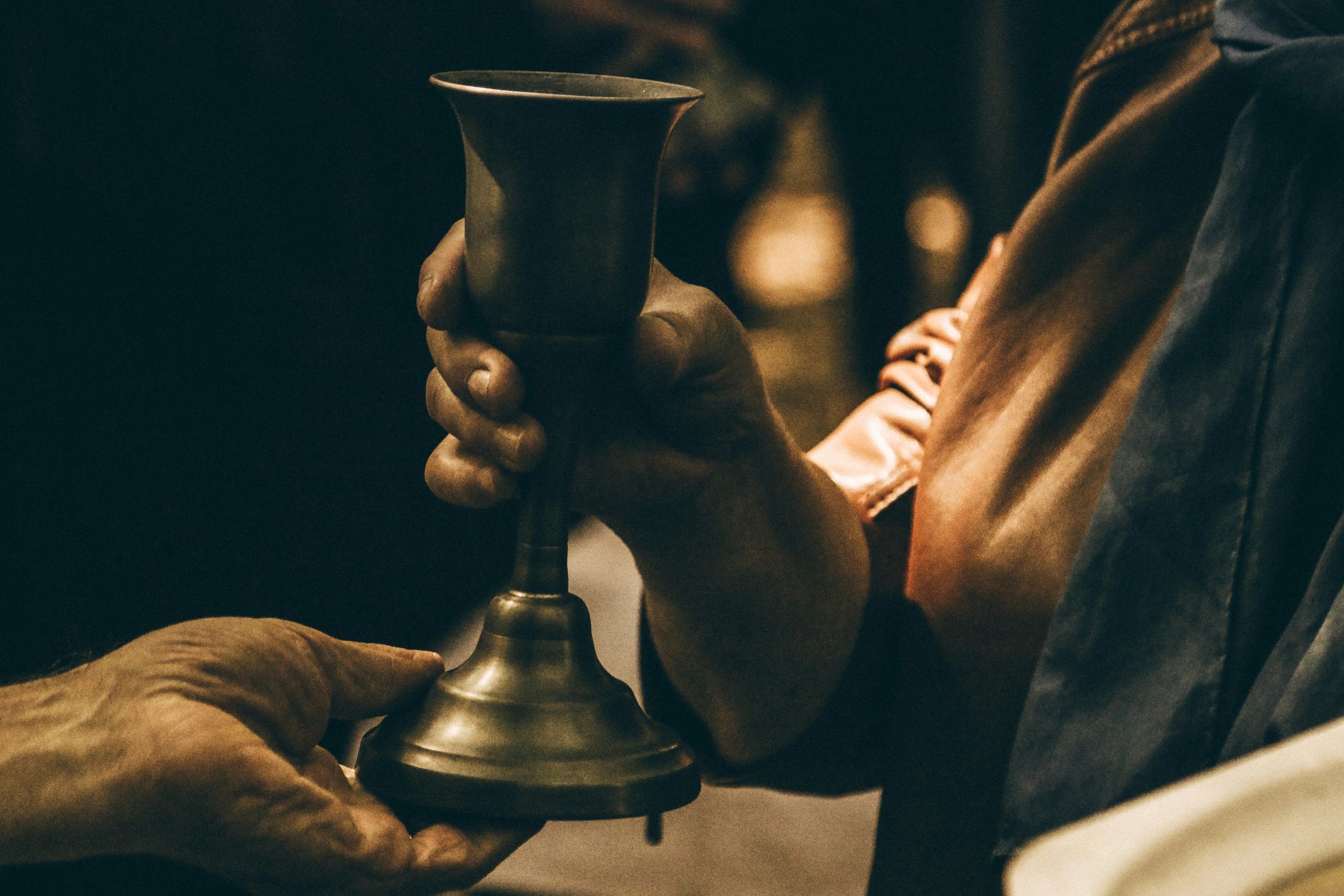
The cupbearer is a position of great trust to the King and they were a high ranking official in the royal court. This position was responsible for ensuring that the wine & food presented to the King were not poisoned or contaminated, as kings would be concerned for their safety and security. The position of cupbearer was not only about tasting the food and drink, but it was about the life protection of the king and guarding the King from any harm. They often had a close relationship and were part of the inner circle of the royal court, which meant that they also played a role in the palace access and security. Due to this closeness and being ever present to the King, the role of cupbearer also took on the role of counsel and advisor to the King. They often had great influence on the King’s decisions.
If we go back to Nehemiah, and consider this role and position he held within the royal court. We can deduce that Nehemiah was a confidante to the King, he had great influence and he was trustworthy and loyal. In our modern day ideals, Nehemiah was a success and had moved up the ladder during his time in Persia. He had taken advantage of his circumstances, and gained knowledge, skills and influence.
It was through this experience of working and living in Persia, developing a position of influence with the King, that prepared Nehemiah for his next position as leader of rebuilding Jerusalem. Nehemiah didn’t just become a good leader the day he received the news of the state of Jerusalem. He was already in the process of being trained and being poured into by the royal court.
We can’t know how intentional King Artaxerxes was with Nehemiah, since that is not in the scope of the Bible, nor the story. Nor are modern day leadership dynamics the same as the ancient times of the Old Testament.
However, we can garner two valuable takeaways from Nehemiah’s position as cupbearer that are helpful lessons as we lead churches, schools and charities.
1. Trustworthiness and Integrity are key characteristics for leadership, no matter the position.
2. Leadership development prepares future leaders to take on new roles.
This is what good succession planning looks like for churches, charities and schools. The ability to identify leaders with characteristics of trustworthiness and integrity and develop them into the future leaders that your organization, church or school needs.
As board members and executive leaders, are you preparing future leaders to be successful? Are you giving them opportunities for growth, to show their loyalty and to build trust?
As we can see from the example of Nehemiah, it was through the trust and integrity that he exemplified in his position as cupbearer that allowed him to move to Jerusalem and become the future governor. It was also through the experiences of being in the inner circle of the royal court that prepared Nehemiah for the task of rebuilding the walls of Jerusalem.
SHEPHERD'S SPOTLIGHT: Bright Hope for Tomorrow

Shepherd's Path is delighted to highlight a beautiful charity based in Ontario but that blesses people around the world. In their ongoing growth we have been invited to provide board training in a full-day retreat environment.
Bright Hope for Tomorrow is a small Canadian Christian Charity helping people overcome extreme poverty in Zambia, Zimbabwe, Kenya, India, Pakistan, and Haiti. They work with local churches and Christian leaders in those areas because of their intimate understanding of local realities, their relationships of trust with people in the community, and their Christian witness.
Their approach is asset-based, which means that they help communities assess their own needs, identify their own resources, and implement plans toward a better future. BHfT's responsible approach ensures that they never impose their agenda on others with less economic and social power.
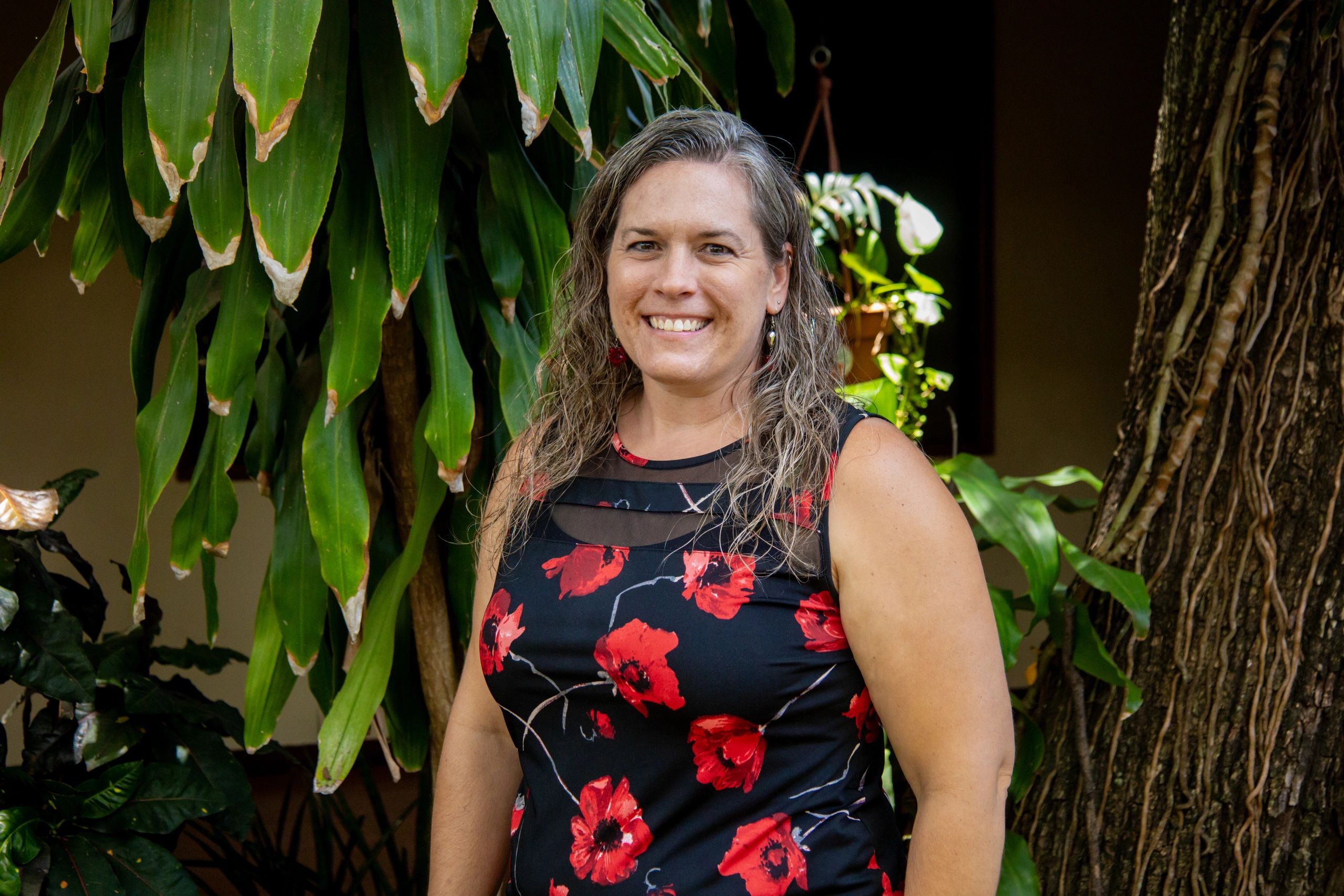
Alicia Hamming Navarrete brings over 20 years of international non-profit experience having spent 17 years working with a national organization in Managua, Nicaragua.
Alicia is fluent in Spanish and holds an MA in Organizational Leadership with an emphasis in International Development from Eastern University, Harrisburg, PA, as well as being a certified Governance Coach for Non-Profits as well as achieving her Pro. Dir.
Alicia’s passion is working with non-profit organizations that are seeking to strengthen the effectiveness of their board of directors, develop clear and innovative strategic plans, and enhance their organizational capacity.
Look for our regular e-newsletters in your inbox so that you can lead well by learning about key issues in the world of Christian NFP Organizations.